


Introduction
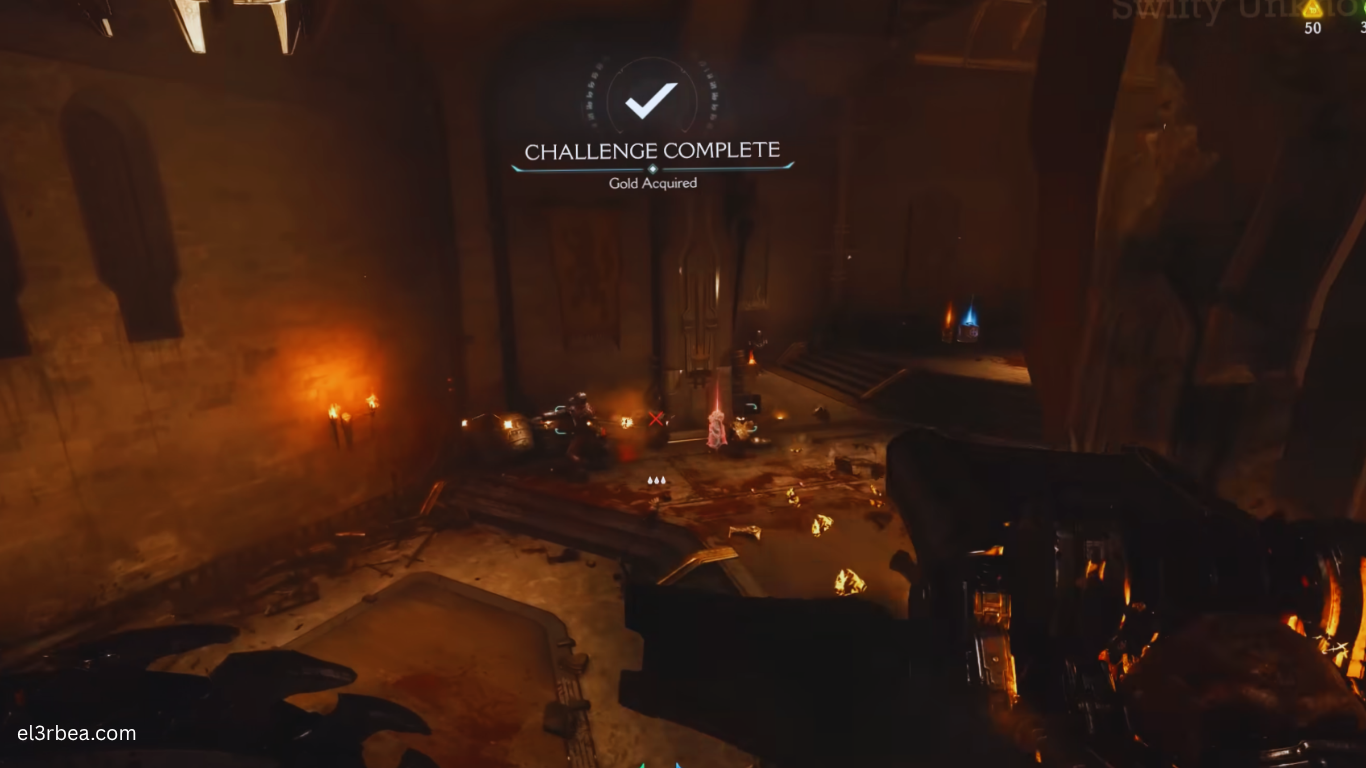
Doom: The Dark Ages is the latest entry in id Software’s legendary first-person shooter franchise and serves as a prequel to DOOM (2016) and DOOM Eternal. Built on the studio’s cutting-edge idTech 8 engine, the game delivers massive battlefields, detailed medieval-inspired environments, advanced physics, high-resolution textures, dynamic global illumination, and modern ray tracing technologies. Despite its larger scale and more cinematic presentation, it preserves the fast, fluid combat that has become synonymous with the Doom series.
As with previous id Software releases, performance is a major design priority. However, the graphical leap introduced by idTech 8 also raises the hardware requirements. Large enemy encounters, expansive levels, complex particle effects, and real-time lighting all place considerable demands on both the CPU and GPU. Ensuring your system meets the recommended specifications is essential if you want to experience smooth gameplay at high frame rates, especially since Doom’s combat relies heavily on quick reactions and responsive controls.
This guide summarizes the official PC requirements, recommends hardware for achieving 60 FPS at high settings, and provides practical optimization tips to help you get the best possible performance from your gaming PC.
Minimum System Requirements
The following specifications are based on the official PC requirements published by Bethesda Softworks and id Software.
| Component | Minimum Requirement |
|---|---|
| Operating System | Windows 10 or Windows 11 64-bit |
| Processor (CPU) | AMD Ryzen 7 3700X or Intel Core i7-10700K |
| Graphics Card (GPU) | NVIDIA GeForce RTX 2060 SUPER 8GB or AMD Radeon RX 6600 8GB |
| Memory (RAM) | 16 GB |
| DirectX | DirectX 12 |
| Storage | 100 GB NVMe SSD |
| Ray Tracing Support | Hardware ray tracing-compatible GPU required |
| Target Performance | 1080p Low Settings at approximately 60 FPS |
Unlike earlier Doom titles, Doom: The Dark Ages requires a ray tracing-capable graphics card. Older GPUs without hardware ray tracing support are not compatible with the game.
Recommended System Requirements
For players targeting 1440p High settings at approximately 60 FPS, the following hardware provides an excellent balance between image quality and performance.
| Component | Recommended Requirement |
|---|---|
| Operating System | Windows 11 64-bit |
| Processor (CPU) | AMD Ryzen 7 5700X or Intel Core i7-12700K |
| Graphics Card (GPU) | NVIDIA GeForce RTX 3080 10GB or AMD Radeon RX 6800 |
| Memory (RAM) | 32 GB |
| DirectX | DirectX 12 Ultimate |
| Storage | 100 GB NVMe SSD |
| Target Performance | 1440p High Settings at approximately 60 FPS |
Players aiming for Ultra settings, higher refresh rates, or 4K resolution should consider more powerful graphics cards such as the RTX 4080 Super, RTX 4090, or their modern equivalents. Support for technologies like NVIDIA DLSS and AMD FSR can significantly improve frame rates while maintaining excellent visual quality.
Mobile Optimization and Performance Tips
Is Doom: The Dark Ages Available on Android or iPhone?
No. Doom: The Dark Ages is not available as a native Android or iOS game. It was developed exclusively for PC, Xbox Series X|S, and PlayStation 5.
Players should avoid unofficial APK files or websites claiming to provide a mobile version, as no legitimate Android or iPhone release has been announced.
Three Quick PC Tips to Improve FPS
If you’re experiencing lower frame rates, these adjustments can provide meaningful performance gains.
1. Enable DLSS or FSR
If your graphics card supports AI upscaling, enabling DLSS (NVIDIA) or FSR (AMD) is one of the easiest ways to increase frame rates while preserving image quality.
Higher-quality presets usually offer an excellent balance between sharp visuals and improved performance.
2. Reduce Shadow Quality and Volumetric Effects
Shadow rendering and volumetric lighting are among the most demanding graphics settings in idTech 8.
Lowering these options from Ultra to High often delivers a noticeable FPS improvement with only a small reduction in visual fidelity during fast-paced gameplay.
3. Install the Game on an NVMe SSD
Doom: The Dark Ages is designed around high-speed storage.
Installing the game on an NVMe SSD reduces loading times, improves texture streaming, and minimizes potential stuttering during transitions between combat areas.
Keeping graphics drivers updated and closing unnecessary background applications can also help maintain consistent performance.
Conclusion
Doom: The Dark Ages continues id Software’s tradition of delivering technically advanced first-person shooters while introducing larger environments, more detailed visuals, and modern rendering technologies. These improvements also make it one of the more demanding PC games of its generation, particularly because a hardware ray tracing-capable graphics card is required to play.
For the best experience, players should have at least 16 GB of RAM, a modern multi-core processor, an RTX- or RDNA 2-class graphics card, and an NVMe SSD. Those aiming for higher resolutions, Ultra settings, or consistently high frame rates will benefit from upgrading to a newer GPU and increasing system memory to 32 GB.
Before launching the game, compare your hardware with the official requirements, update your graphics drivers, and optimize in-game settings based on your system’s capabilities. Small adjustments to shadow quality, volumetric effects, and upscaling options can make a significant difference in overall performance while preserving Doom’s signature visual intensity.
What PC are you planning to use for Doom: The Dark Ages? Share your CPU, GPU, RAM, and monitor resolution in the comments below and let other players know whether your system is ready to battle the forces of Hell.