




Introduction
Unlike traditional mobile games built around a single story or gameplay loop, Roblox is an entire gaming platform where millions of user-created experiences coexist under one application. Developed and published by Roblox Corporation, the platform officially launched in 2006 before expanding to mobile devices years later. Since then, it has evolved into one of the largest gaming ecosystems in the world, attracting players of all ages with an almost endless variety of experiences.
Rather than positioning itself as one game, Roblox functions as a creative universe. Players can explore everything from role-playing adventures and survival games to racing simulators, horror experiences, competitive shooters, tycoon builders, puzzle games, and social hangouts. At the same time, aspiring developers can design their own games using Roblox Studio and publish them for millions of users to enjoy.
This creator-driven approach has become Roblox’s defining strength. New experiences appear every day, ensuring that the platform rarely feels stagnant. Popular titles such as Brookhaven RP, Blox Fruits, Adopt Me!, Dress to Impress, and Murder Mystery 2 regularly attract hundreds of thousands of simultaneous players, while countless smaller projects offer unique ideas that would rarely find an audience elsewhere.
Today, Roblox stands among the most downloaded mobile applications worldwide. Its blend of creativity, social interaction, and user-generated content has helped establish it as far more than a conventional mobile game. Instead, it serves as a constantly expanding digital playground where entertainment is limited primarily by the imagination of its community.
Gameplay Mechanics and Controls
Reviewing Roblox presents a unique challenge because there is no single gameplay style. Every experience introduces its own mechanics, objectives, and rules. One moment you may be managing a virtual restaurant, while the next you’re escaping monsters in a horror game or competing in a fast-paced obstacle course.
Despite this diversity, the platform itself maintains a consistent control scheme. Players move using a virtual joystick while camera movement relies on touch gestures across the screen. Context-sensitive buttons appear whenever actions such as jumping, interacting, attacking, or using tools become available.
The controls feel surprisingly responsive considering the enormous variety of games supported by the platform. Basic movement is smooth, and navigation quickly becomes second nature. Games designed specifically with mobile users in mind generally provide an excellent experience, with intuitive interfaces and well-optimized touch controls.
The learning curve depends entirely on the selected experience. Beginner-friendly social games often require almost no explanation, allowing players to start interacting immediately. Competitive shooters, action RPGs, and complex simulators naturally demand more time to master, particularly when managing inventories, abilities, or advanced movement mechanics.
Discovery plays a major role in Roblox’s appeal. Personalized recommendations, trending categories, and community ratings make finding new experiences straightforward. Since players can switch between games within seconds, the platform encourages constant exploration instead of long-term commitment to a single title.
Social interaction is deeply integrated into nearly every aspect of Roblox. Friends can join games together, communicate through chat systems, attend virtual events, or collaborate within creative experiences. This community-focused design transforms many games into shared adventures rather than isolated single-player sessions.
One limitation is inconsistency. Because individual experiences are created by different developers, gameplay quality varies significantly. Exceptional productions sit alongside unfinished or poorly balanced projects, requiring players to spend time identifying the platform’s best offerings.
Graphics, Sound, and Performance
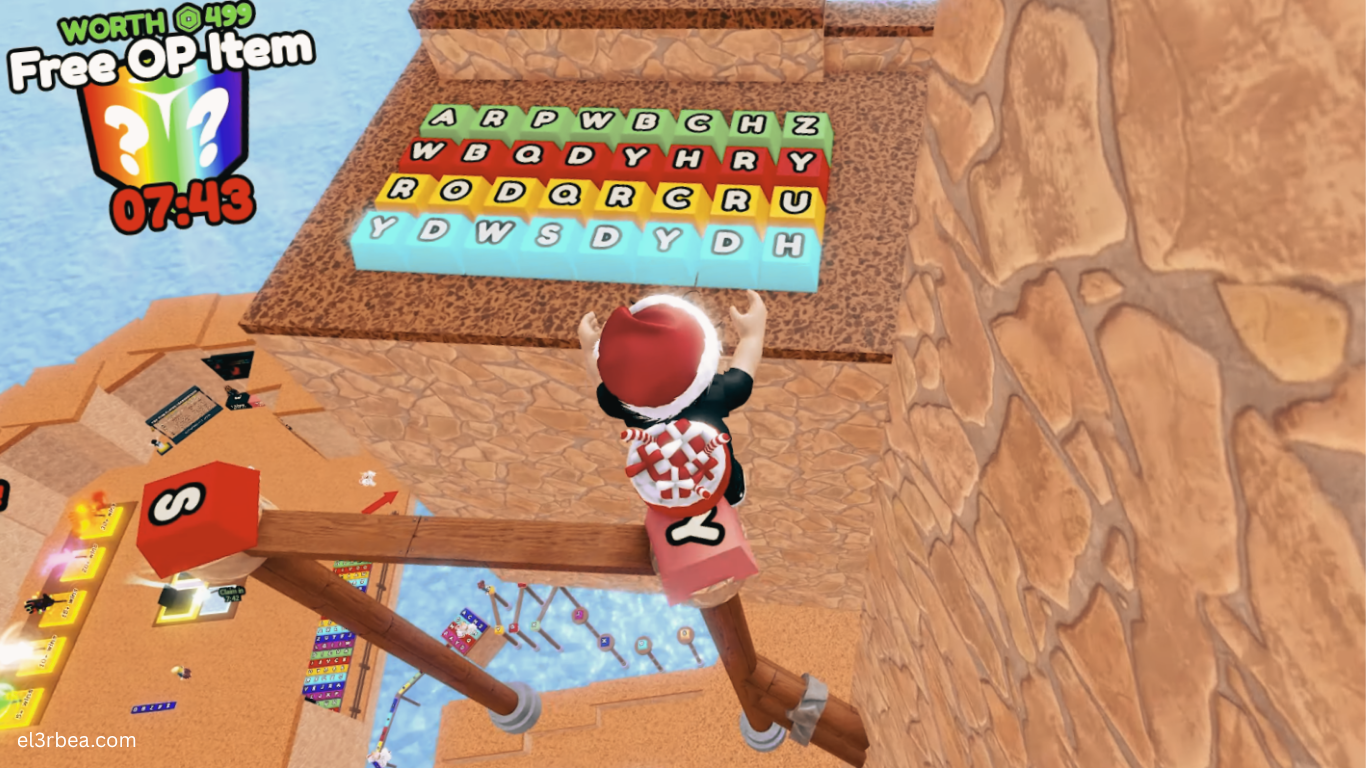
Roblox embraces a distinctive visual identity built around stylized characters and modular environments rather than photorealistic graphics. The familiar block-inspired aesthetic has become instantly recognizable, although modern creators increasingly push the engine far beyond its original limitations.
Many of today’s most popular experiences feature detailed lighting, realistic textures, dynamic weather systems, advanced particle effects, and sophisticated animations that rival dedicated mobile games. Others intentionally retain the classic minimalist appearance that longtime players associate with the platform.
Character customization remains one of Roblox’s greatest visual strengths. Thousands of clothing items, accessories, animations, and avatar styles allow players to create unique identities that carry across every compatible experience.
Audio quality varies just as much as graphics. Some games include professionally composed soundtracks, convincing ambient effects, and impressive voice integration, while others rely on simple background music or minimal sound design. Fortunately, the platform supports developers who invest in creating immersive audio environments.
Performance depends heavily on both device capabilities and the specific experience being played. On high-end smartphones and tablets, most well-optimized games deliver stable frame rates, fast loading times, and impressive visual fidelity.
Budget devices perform adequately in simpler experiences but may struggle with larger worlds containing numerous players, advanced lighting systems, or detailed environmental assets. Graphics settings allow users to adjust visual quality, making Roblox accessible across a wide range of hardware configurations.
Network performance is generally reliable, although occasional lag depends more on individual game servers than the platform itself. Considering the enormous scale of Roblox’s multiplayer infrastructure, overall stability remains commendable.
In-App Purchases and Monetization
Roblox follows a free-to-play model built around its virtual currency, Robux. While downloading and accessing the platform costs nothing, Robux can be purchased with real money and spent across countless user-created experiences.
Monetization varies dramatically because each game determines its own economy. Players may purchase cosmetic outfits, exclusive abilities, private servers, convenience features, battle passes, pets, vehicles, or progression boosts depending on the developer’s design choices.
This flexibility creates both strengths and weaknesses. Many excellent games remain entirely enjoyable without spending money, rewarding skill and time investment instead of purchases. Cosmetic-focused monetization often feels fair and supports creators without affecting gameplay balance.
However, some experiences introduce aggressive monetization systems. Progression boosts, premium equipment, or exclusive advantages can create noticeable disparities between paying and non-paying players. While these issues reflect individual developers rather than Roblox itself, they remain an unavoidable part of the platform.
Parental controls, spending limits, and account safety features have improved significantly over the years, providing families with better tools for managing purchases and online interactions. Even so, younger players should ideally use these features under appropriate supervision.
Overall, Roblox cannot be universally labeled as either pay-to-win or completely fair. Instead, the experience depends largely on which community-created games players choose to explore. Fortunately, thousands of high-quality experiences remain enjoyable without requiring financial investment.
Final Verdict and Rating
Roblox succeeds because it offers something few other mobile platforms can match: virtually unlimited variety. Instead of relying on a single gameplay formula, it provides access to millions of experiences created by an extraordinarily diverse global community. Whether you enjoy competitive action, relaxing role-playing, creative building, puzzle solving, or social interaction, there is almost certainly a Roblox experience designed with those interests in mind.
The platform’s greatest strength is its constant evolution. New games emerge daily, talented developers continue raising production standards, and established experiences receive frequent updates that keep players engaged for years. Although inconsistent quality and uneven monetization remain legitimate concerns, they are balanced by an unmatched sense of creativity and discovery.
Roblox is best suited for players who enjoy exploring different genres, creating content, social gaming, and discovering fresh experiences without purchasing multiple separate games.
Pros
- Massive library of user-created experiences spanning nearly every gaming genre.
- Strong social features and extensive avatar customization options.
- Excellent long-term replay value with frequent new content from the community.
Cons
- Overall quality varies considerably between individual experiences.
- Some games rely heavily on premium purchases for faster progression.
- Performance can fluctuate depending on device hardware and game optimization.
Final Rating: 9.2/10
Roblox is more than a mobile game—it’s an ever-expanding platform that empowers both players and creators. Its limitless variety, thriving community, and remarkable longevity make it one of the most compelling and influential experiences available on mobile today. For anyone seeking endless entertainment and creative freedom, Roblox remains an outstanding choice.